Fall Hiking With Your Dog: Safety Tips From the Trail
What the Trail Teaches You
Lessons from the Superior Hiking Trail, the dogs we met along the way, and the people who know them best.

Along the northern shore of Lake Superior, fall has a way of making an already adventurous landscape even harder to resist. The Superior Hiking Trail winds through forests, rocky ridges and overlooks as the North Shore stretches toward Canada, while farther inland the Gunflint Trail leads deeper into Minnesota’s northern woods. As cooler weather arrives, the landscape begins trading summer green for brilliant reds, oranges and golds, drawing day hikers, backpackers, leaf peepers—and plenty of dogs and their people—outside to experience it. But beneath all that fall color is a landscape that can be rugged and unpredictable, where roots, rocks, changing weather, shorter days and changing trail conditions can quickly become part of the adventure.
Know Before You Go ⚠️
That makes a little research before the hike just as important as what goes into the pack. Check the weather and current trail conditions, know when daylight starts disappearing, and look into water availability and seasonal concerns before setting out. It also helps to know what is specific to the place you are visiting. Wildlife, terrain, weather and other hazards can look very different on Minnesota’s North Shore than they do on a trail through the Appalachians.
Know before you go doesn’t mean eliminating every surprise. Part of the fun is not knowing exactly what the trail has around the next corner. It simply means giving yourself—and your dog—enough information to make better decisions when you get there.
Water Changes the Hike
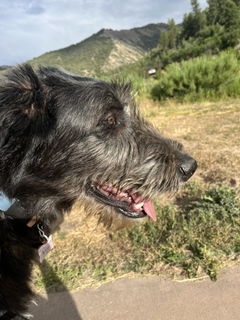
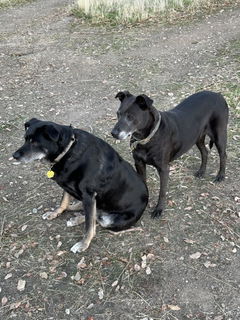
Water has a way of determining how far an adventure can go. That became especially clear when we met May, an outdoorsy chocolate Lab mix whose owner says she hikes and boats just about everywhere with him—and seems to know an adventure is coming before it even begins.

May’s owner shared a simple part of his own planning: he doesn’t want to carry more water than necessary, so he looks ahead for places where he and May can reliably refill along the way. Depending on the hike, that might mean planning around a known natural water source or choosing a route near an established campground, state park or other location with designated drinking water. Trail maps and current local information can help identify those possibilities before the hike begins.
But even a well-planned water stop deserves a backup plan. During dry stretches, a creek or stream shown on a map may be much lower than expected—or not flowing at all. Seasonal water systems and spigots may not always be available, either. And finding clear, flowing water in the backcountry doesn’t necessarily mean it is safe to drink untreated.
For people hiking with dogs, those changing conditions can affect more than thirst. Water availability can influence the route you choose, how much weight you carry, where you stop for a break and ultimately how far you can safely travel. Carry enough to reach your next dependable source, confirm established water access when possible, and be prepared to safely treat backcountry water if your plans depend on it.
May’s story was a good reminder that sometimes the smartest way to pack lighter isn’t simply carrying less. It’s knowing where you’re going, what you’re likely to find there, and having a backup plan when the trail doesn’t match the map.
Sometimes the Trail Decides for You ↩️
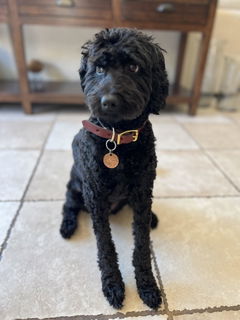
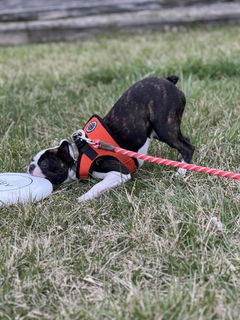
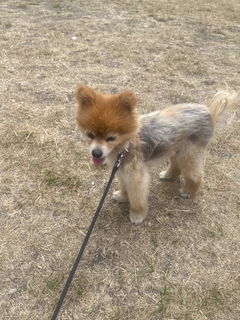
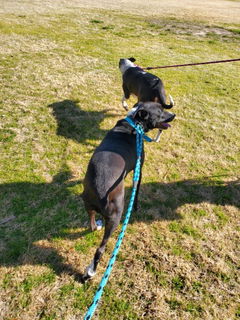
Not every trail lesson we gathered came from the trail itself. In Grand Marais, we met Endo, an eight-month-old terrier-doodle mix who is still learning the ropes of outdoor adventure. With Lake Superior and the harbor nearby, we asked Endo’s owner what matters to him when the two of them trade town for the trails and rougher terrain of the North Shore.

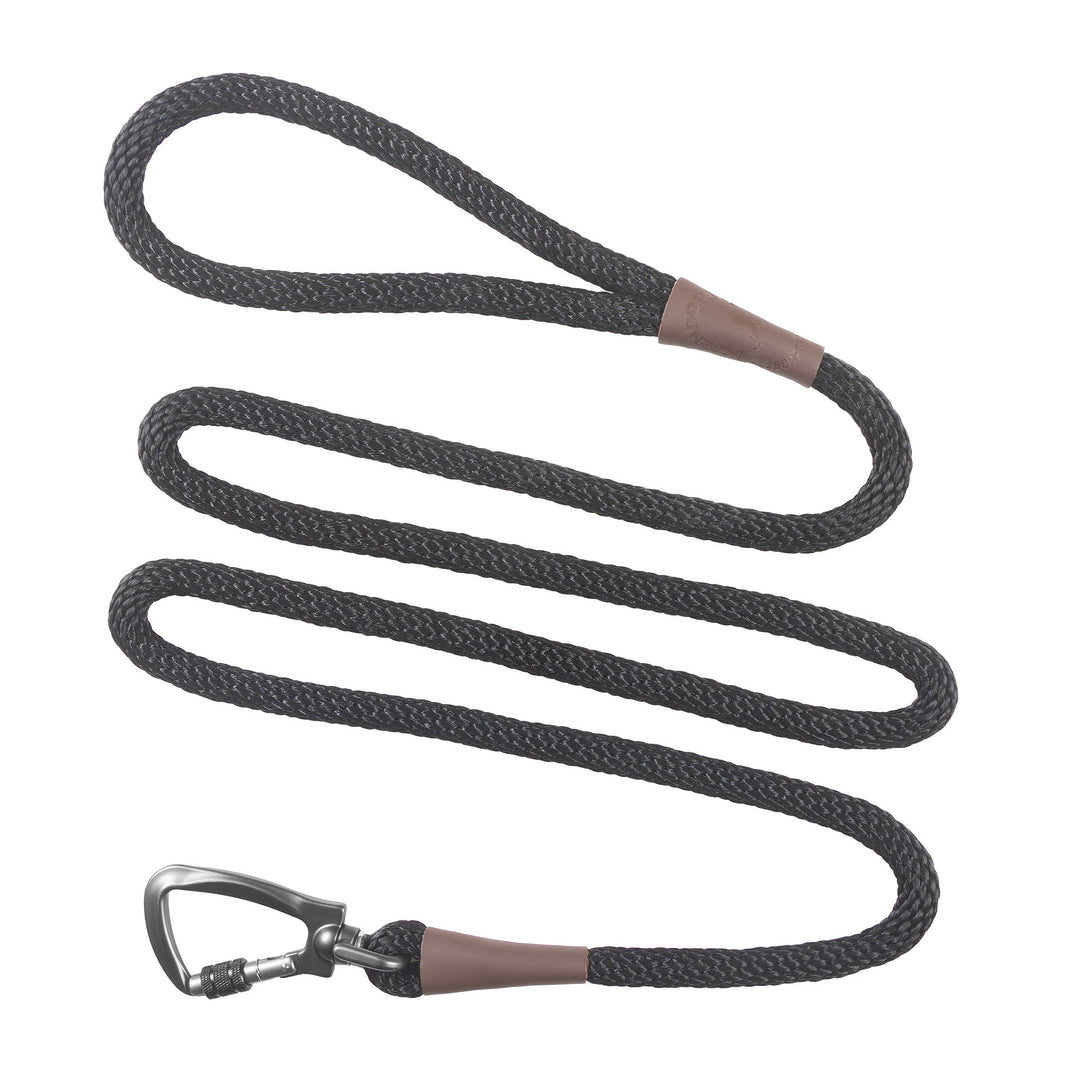
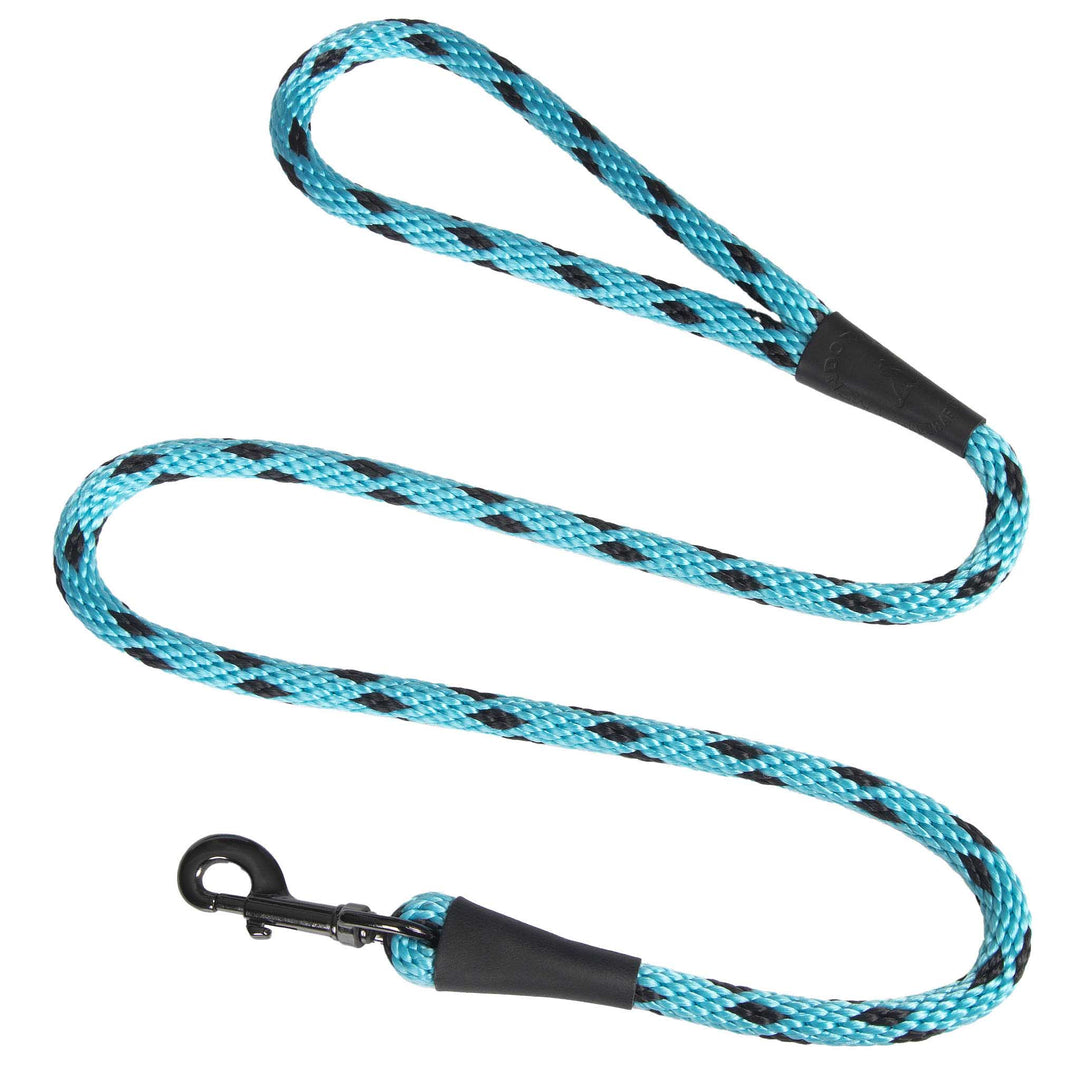
His answer came back to two things: a strong recall and a dependable snap leash. Endo is still a pup, and when rocks, roots and larger obstacles enter the picture, his owner wants to be able to keep him close, slow things down and help him safely find his way through. It’s a simple reminder that the dog at the end of the leash—and their experience level—can matter just as much as the difficulty marked on a trail map.
The importance of recall was something we heard from other dog owners, too. A dog that reliably returns when called can make a meaningful difference when another hiker approaches, wildlife appears, the trail narrows or curiosity leads a little too close to a rocky edge. A leash remains important where required and where conditions call for one, but recall adds another layer of communication between dog and owner.
Sometimes good trail judgment also means recognizing when the terrain has made the decision for you. A difficult rock scramble, steep drop, washed-out section or tired dog may be reason enough to slow down, choose another route or turn around. Getting to the planned destination matters less than getting everyone back safely.
🏔️ TRAIL-SIDE REMINDERS 🍂
Know Their Limit. And Yours.
A few things worth remembering when the trail gets longer, rougher or simply doesn't go according to plan.
🥾 Distance Out Is Distance Back
Cooler fall weather can make both dogs and people feel like they can keep going. Keep the return trip in mind before adding another mile.
🐕 Know the Dog You're Hiking With
Age, conditioning, trail experience and even enthusiasm matter. A young dog may approach an obstacle very differently from a seasoned trail companion.
🐾 Check More Than Their Paws
Rocks, roots, brush and trail debris can affect paws, legs and the underbelly. Take a moment along the way to look for cuts, irritation, burrs or anything that could become a bigger problem farther down the trail.
🍁 Protection Depends on the Trail
Paw protection, underbelly protection or high-visibility gear may make sense depending on the terrain, vegetation, temperature and season. Not every dog needs every piece of gear on every hike.
🏔️ Turning Around Is Part of Hiking
Fatigue, changing weather, fading daylight, difficult terrain—or a dog simply having had enough—are all good reasons to shorten the day's plan.
🌲 A good day on the trail doesn't have to be the longest one.
Sometimes changing the route, taking the extra break or turning around is simply part of knowing the dog beside you.

Fall-Specific Awareness
Fall can be one of the best times to explore with a dog, but the season brings changes that are easy to overlook. Some are right under your feet. Others depend entirely on where the trail takes you.
🍂 Watch What’s Under the Leaves
A layer of fall color can hide more than the trail. Roots, loose rocks, holes and wet surfaces become harder to see once leaves begin covering the ground. Give yourself—and your dog—a little more time through unfamiliar or uneven sections.
🌅 Keep an Eye on Daylight
The days get shorter quickly in fall, and a comfortable afternoon hike can turn into a race against sunset. Know roughly how much daylight you have left and give yourself enough time for the return trip, unexpected stops and a slower pace when the terrain calls for it.
🦌 Expect More Than Hikers on the Trail
Wildlife may catch your dog’s attention long before it catches yours. Fall also brings hunting seasons in many parts of the country, putting hikers, hunters and dogs in some of the same outdoor spaces. Know the rules and seasons where you are exploring, keep your dog under control and consider visibility for everyone in your group.
🌡️ Prepare for Conditions to Change
A cool morning, warmer afternoon and rapidly cooling evening can all be part of the same fall outing. Wind, rain, unusually dry conditions, smoke from wildfires or recent storms can change the experience, too. Check current conditions—not just the forecast you looked at several days earlier.
🗺️ Know What Fall Means Where You’re Hiking
Fall doesn’t look—or behave—the same everywhere. Along Minnesota’s North Shore, changing temperatures, shorter daylight and hunting seasons may be part of the planning. Farther south, including places like Georgia and the Appalachians, warmer temperatures and hazards such as venomous snakes may remain considerations well into the season. Learn what is specific to the region you are visiting rather than assuming one set of trail rules applies everywhere.
That doesn’t mean preparing for everything that could possibly go wrong. It means knowing enough about the place you’re visiting to recognize what deserves your attention. Know before you go—and be willing to adjust once you get there.
🎒 Quick Trail-Side Checklist
A little preparation can leave more room for the good part. Before you head out, take a quick look at the day ahead:
☐ Check the weather and trail conditions
Know what has changed recently—not just what the forecast said earlier in the week.
☐ Know your daylight
Have a turnaround time in mind and leave room for a slower trip back.
☐ Plan for water
Carry enough for you and your dog, and confirm any water sources your route depends on.
☐ Know the local hazards
Wildlife, hunting seasons, ticks, plants, smoke, heat and other concerns vary by region and season.
☐ Bring the basics
Water, navigation, appropriate leash or visibility gear, and basic first-aid supplies can go a long way.
☐ Know your dog’s limits—and your own
Distance, terrain and excitement on the way out still have to leave enough energy for the way back.
☐ Give your dog a quick check along the way
Paws, legs and the underbelly are worth a look after rough, rocky or brush-heavy sections.
🐾 And When the Adventure Is Over...
Take another minute before calling it a day. Our 60-Second Dog Check After Every Adventure walks through a simple head-to-tail routine for checking paws, ears, coat and other easy-to-miss places for ticks, burrs, debris and small irritations.
→ Read The 60-Second Dog Check After Every Adventure
🍁 Made for Days Like These
There’s something fitting about ending this trip where it began: in Minnesota. From the overlooks and fall color of the North Shore to the trails, forests and small towns along Lake Superior, this is the kind of place that reminds you just how much there is to explore with a dog beside you.
It also feels close to home for us. Mendota Pet gear is handcrafted in Saint Paul, Minnesota, and farther north in Grand Marais, you can find familiar Mendota leashes and outdoor gear at Lake Superior Trading Post—a longtime North Shore stop for trail maps, camping supplies and plenty of things you may realize you need before the next adventure.

But wherever your trail happens to be, the lesson travels well.
Know before you go. Pay attention along the way. And leave enough time to enjoy where you are.
The trail will take care of the rest. 🐕🥾🍂