Building Confident Travel-Ready Dogs
We recently explored how your calm sets the tone for travel in Keeping Dogs Calm on the Go — this guide builds on that foundation with practical, real-world strategies that help dogs stay grounded, focused, and confident in unfamiliar environments.
Travel-ready dogs aren’t born; they’re built through thoughtful preparation, clear communication, and consistency. The goal isn’t perfection — it’s helping your dog feel secure and confident wherever you travel.
In this continuation, we’ll focus on how everyday training moments, balanced energy outlets, and dependable gear work together to support calm behavior wherever your adventures take you.
Calm Is a Skill — Train It Before You Travel
Dogs don’t automatically know how to stay relaxed in new environments. Calm behavior is something that’s learned, practiced, and reinforced long before the trip begins.

Instead of only training commands like sit or stay, begin rewarding moments of neutral behavior:
- Standing quietly beside you
- Making eye contact instead of reacting
- Walking calmly past distractions
These moments teach your dog that doing nothing can be just as rewarding as action — a critical skill for travel days.
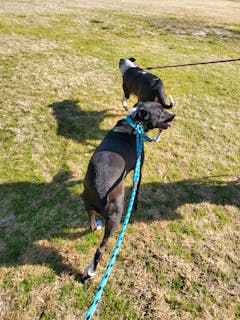
Mendota Moment: Practicing calm leash skills during daily walks helps dogs carry those behaviors into busier travel settings.
Leash Communication Matters More Than Distance
When environments feel unpredictable, dogs look to the leash for information. Tension, length, and consistency all communicate something — whether we intend it or not.
Shorter, controlled leash handling helps:
- Prevent overstimulation
- Keep dogs within your “calm bubble”
- Create clear physical boundaries in crowded spaces
This isn’t about restriction — it’s about clarity. Clear communication reduces anxiety and helps dogs trust your leadership when distractions rise.
Travel throws off routine — and dogs thrive on routine. The solution isn’t perfection, but predictability where it counts.
Build in intentional reset moments:
- A quiet pause before entering a busy space
- A short leash walk before loading into the car
- A calm sit or stand before hotel check-in
These brief pauses help your dog release tension and re-center — preventing stress from stacking throughout the day.

Balance Energy — Don’t Just Burn It
It’s a myth that exhausted dogs are always calmer dogs. Over-exercising before travel can actually increase reactivity and stress.
Instead, aim for balanced outlets:
- Gentle movement
- Mental engagement
- Calm observation
Sniffing, structured walks, and short training refreshers help regulate energy without pushing dogs into overstimulation.
Gear Should Support Calm, Not Complicate It
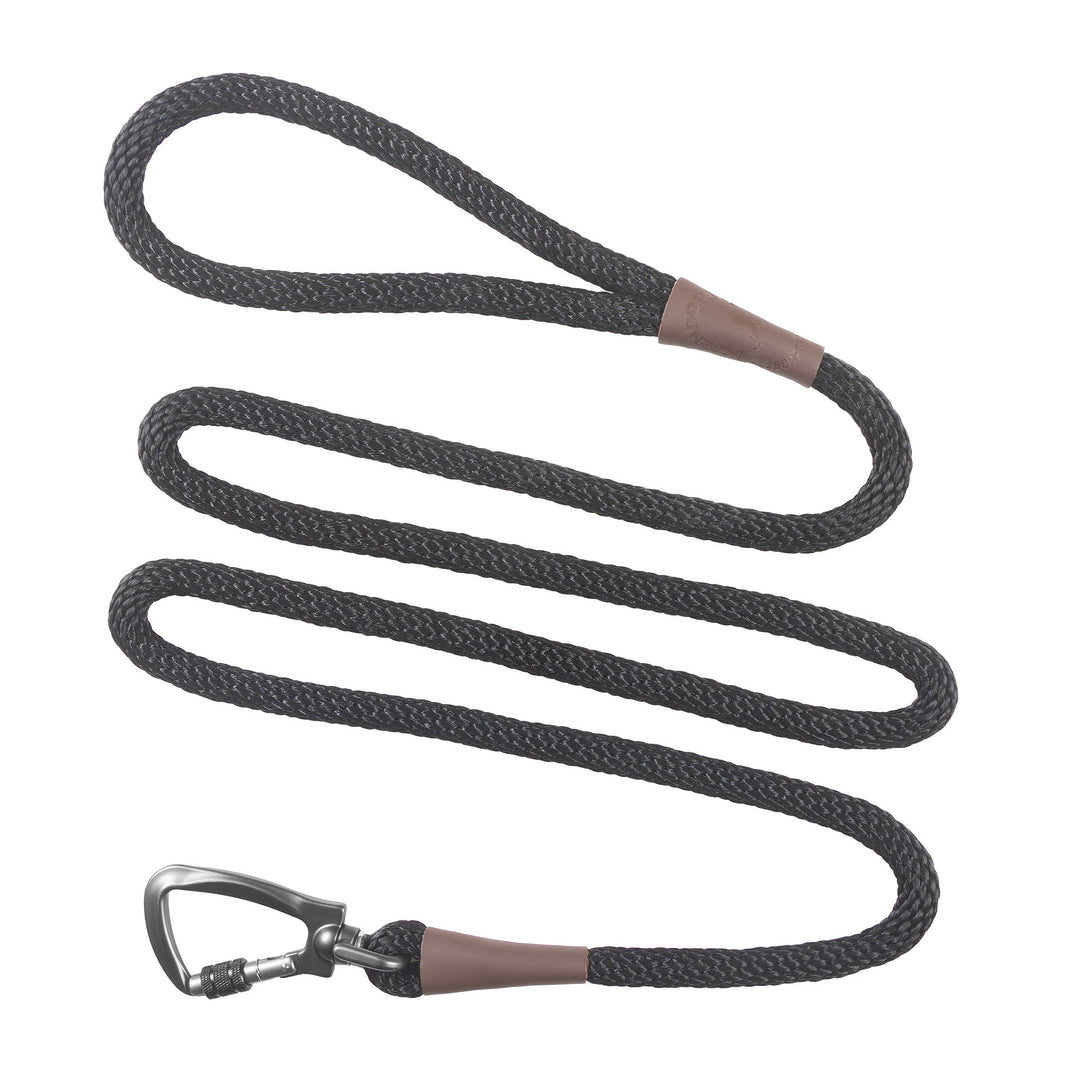
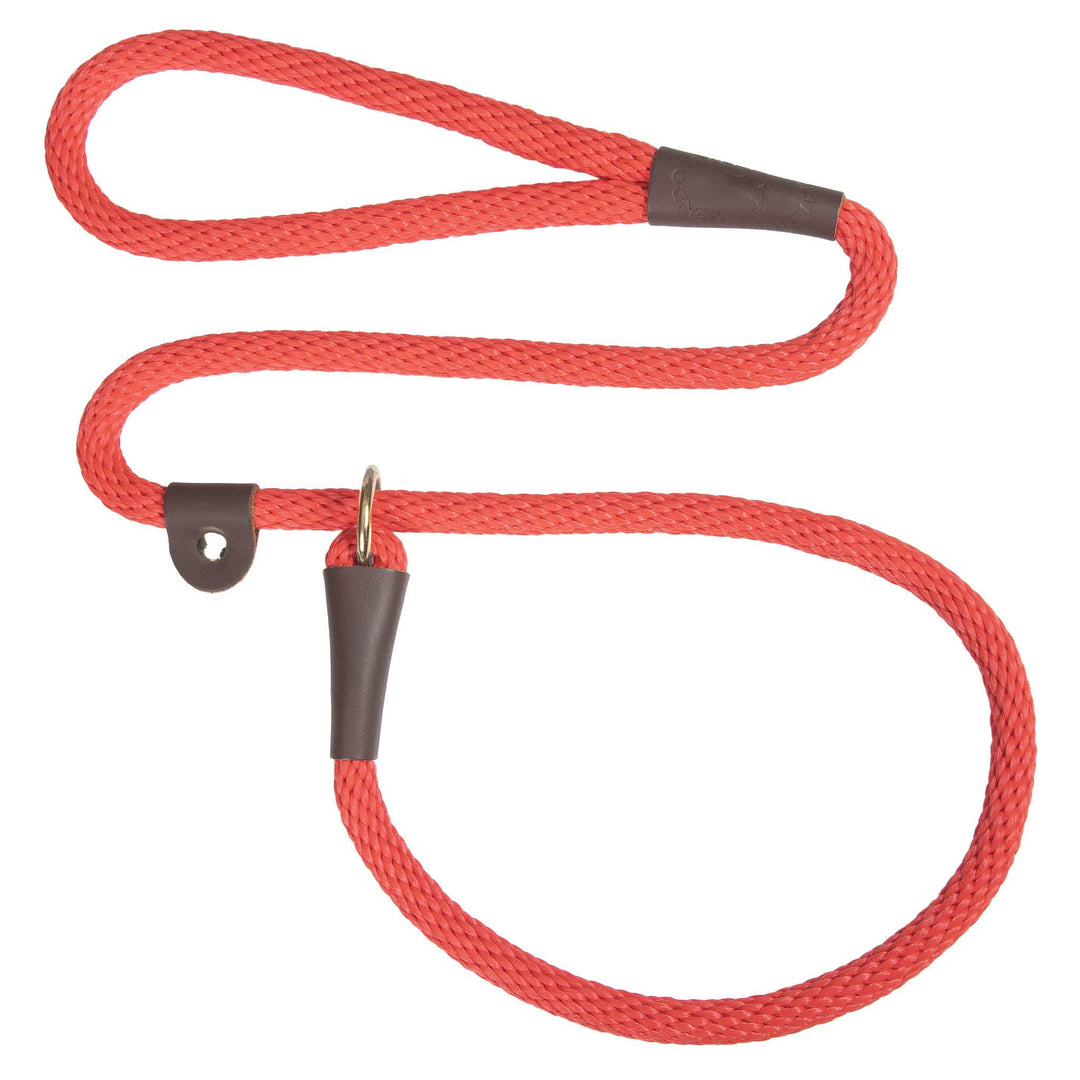
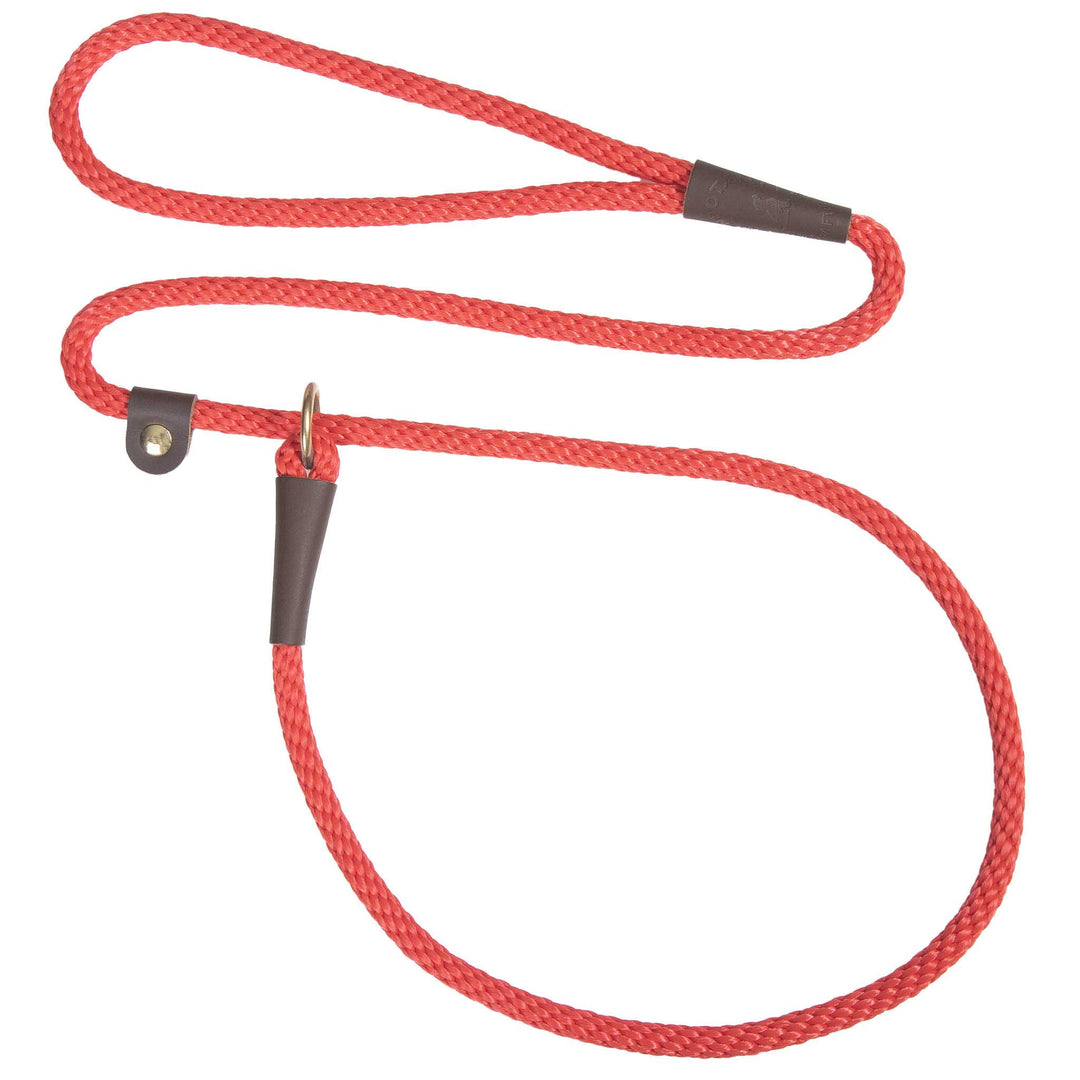
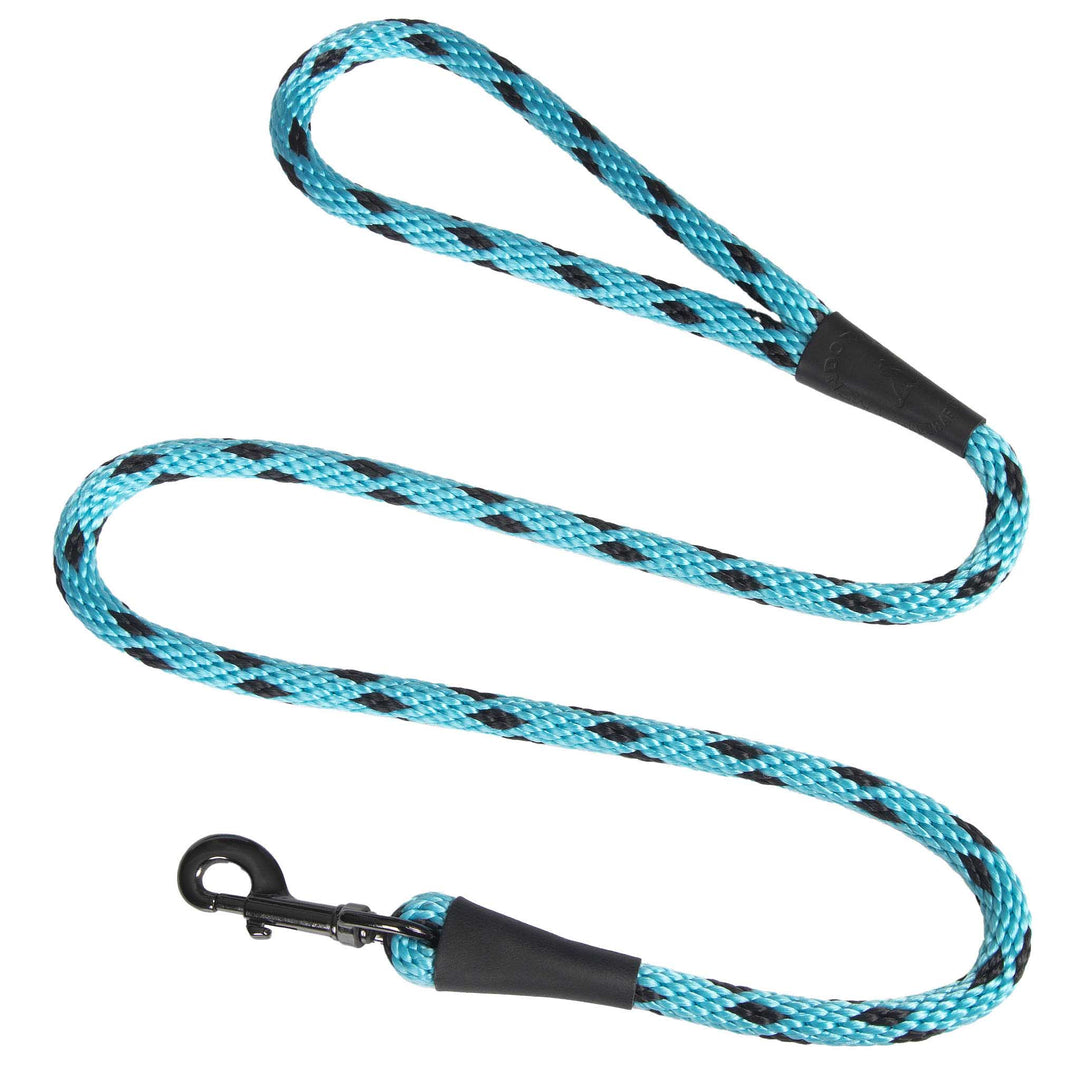
During travel, dogs benefit from gear that feels familiar, comfortable, and easy to communicate through. Complicated setups can create friction — both for you and your dog.
Well-designed, thoughtfully crafted gear supports:
- Smooth transitions between environments
- Clear leash signals
- Confidence through familiarity
This is where quality craftsmanship truly matters — especially when you’re asking your dog to navigate unfamiliar territory calmly and safely.
What Calm Looks Like in Real Travel Moments
| Real-World Travel Scenario | What Helps Dogs Stay Calm | Quick “Do This” Tip |
|---|---|---|
| Airports & security lines | Predictable “reset moments,” calm leash handling, and neutral focus around noise and movement. | Pause before transitions (doors, lines, crowds) and reward quiet standing or eye contact. |
| Hotels & vacation rentals | Familiar routine cues, calm greetings, and clear boundaries in new spaces. | Do a 2-minute “settle” routine right after arrival: water, quiet leash walk, then a calm pause. |
| Outdoor adventures & public spaces | Balanced energy (movement + mental focus) and consistent expectations around distractions. | Alternate between short “focus stretches” and sniff breaks to prevent overstimulation. |
| Family, kids & other dogs | Controlled introductions, calm structure, and preventing excitement from “stacking.” | Start greetings with a brief “calm check” (sit/stand + release), then keep it short and positive. |
Final Takeaway
Calm isn’t about controlling your dog — it’s about guiding them. With consistent cues, thoughtful preparation, and dependable routines, travel becomes an opportunity to build trust instead of testing it. Your dog doesn’t need perfection; they need clarity, confidence, and connection — wherever the road leads.