How to Calm Your Dog Before a Walk (And Fix Pulling Mid-Walk)
Walking your dog should feel calm — not chaotic.
If your dog explodes at the leash, drags you down the sidewalk, or loses their mind when a squirrel appears… you don’t need a “perfectly trained dog.”
You need a reset routine.
This 3-part Calm Walking Reset helps you:
- calm your dog before the walk starts
- reset attention during the walk
- handle distractions (dogs, people, squirrels, bikes) without getting yanked around
The goal isn’t perfection — it’s building a simple pattern your dog can repeat every day.
Part 1: Stop the Chaos at the Door (Pre-Walk Reset)
Most “bad walks” don’t start outside. They start at the door.
When your dog practices frantic energy before the walk begins, they carry that energy straight into the neighborhood. This reset teaches: calm = the walk happens.
Tip #1: Leash clips on after calm.
Before you clip the leash:
- Pick up the leash.
- If your dog jumps/spins/whines — pause.
- Wait for 2–3 seconds of calm (feet on the floor).
- Then clip the leash and proceed.
Why it works: Your dog learns that calm behavior starts the reward (the walk) — not chaos.
Tip #2: The “Doorway Pause” (10 seconds).
- Pause at the door before stepping outside.
- Ask for a sit or simple stillness.
- Take one breath, then exit calmly.
Why it works: It slows the exact moment that usually triggers excitement and puts you back in control of the tone.
Insight Tip (optional): “If the first 30 seconds are frantic, the whole walk feels harder. Treat the doorway like a reset button.” — Jacquelline, Mendota Pet
Part 2: Fix Pulling Mid-Walk (Mid-Walk Reset)
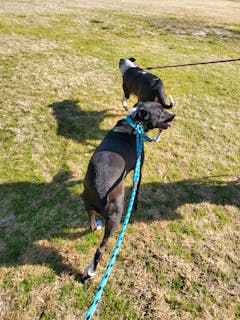
Even well-trained dogs lose focus outside. The win is knowing how to restart calmly — without turning the walk into a tug-of-war.
Tip #1: Tight leash = pause.
- The moment the leash goes tight, stop walking.
- Don’t yank. Don’t scold. Just wait.
- As soon as you get slack, continue forward.
Why it works: Pulling stops “working.” Your dog learns: loose leash = forward movement.

Tip #2: The “Reset Turn” (easy restart for overstimulation).
- When your dog is pulling hard or scanning for distractions, say “Let’s go!”
- Make a smooth U-turn and walk the other way.
- Reward when they follow and reconnect with you.
Why it works: It breaks fixation before it builds momentum. You’re redirecting the pattern, not fighting it.
Tip #3: Use micro-goals (not mileage).
Instead of “We have to walk two miles,” try micro-goals like:
- Three calm blocks
- Ten check-ins (eye contact or a quick look back)
- Five successful resets
- One calm pass-by of a distraction
Why it works: Calm progress comes from repetition — not distance. Short calm walks build more training than long chaotic ones.
Part 3: Distraction Reset (Dogs, Bikes, People, Squirrels)
Distractions are the real test — and they’re also where simple handling makes the biggest difference.
Tip #1: Create space first (distance is training).
- Cross the street.
- Step into a driveway.
- Turn around before your dog “tips over” into reacting.
Why it works: Your dog can’t make good decisions when they’re too close to the trigger. Space buys your dog time to think.

Tip #2: The “Find It” reset.
- Say “Find it!”
- Toss a few treats into the grass.
- Let sniffing bring their brain back down.
Why it works: Sniffing helps release tension, breaks fixation, and gives you a clean reset without conflict.
Quick Calm Walking Reset Checklist (For Skimmers)
| Before the walk | Leash clips on after calm 10-second Doorway Pause |
| During the walk | Tight leash = pause Overstimulated = Reset Turn Focus on micro-goals, not mileage |
| Distractions | Create space first Use “Find It” to decompress |
Mendota Moment: Calm walks get easier when your leash handling stays consistent. Choose gear you trust and keep your cues simple — the routine is what teaches calm.
A Simple Gear Nod (Keep It Light)
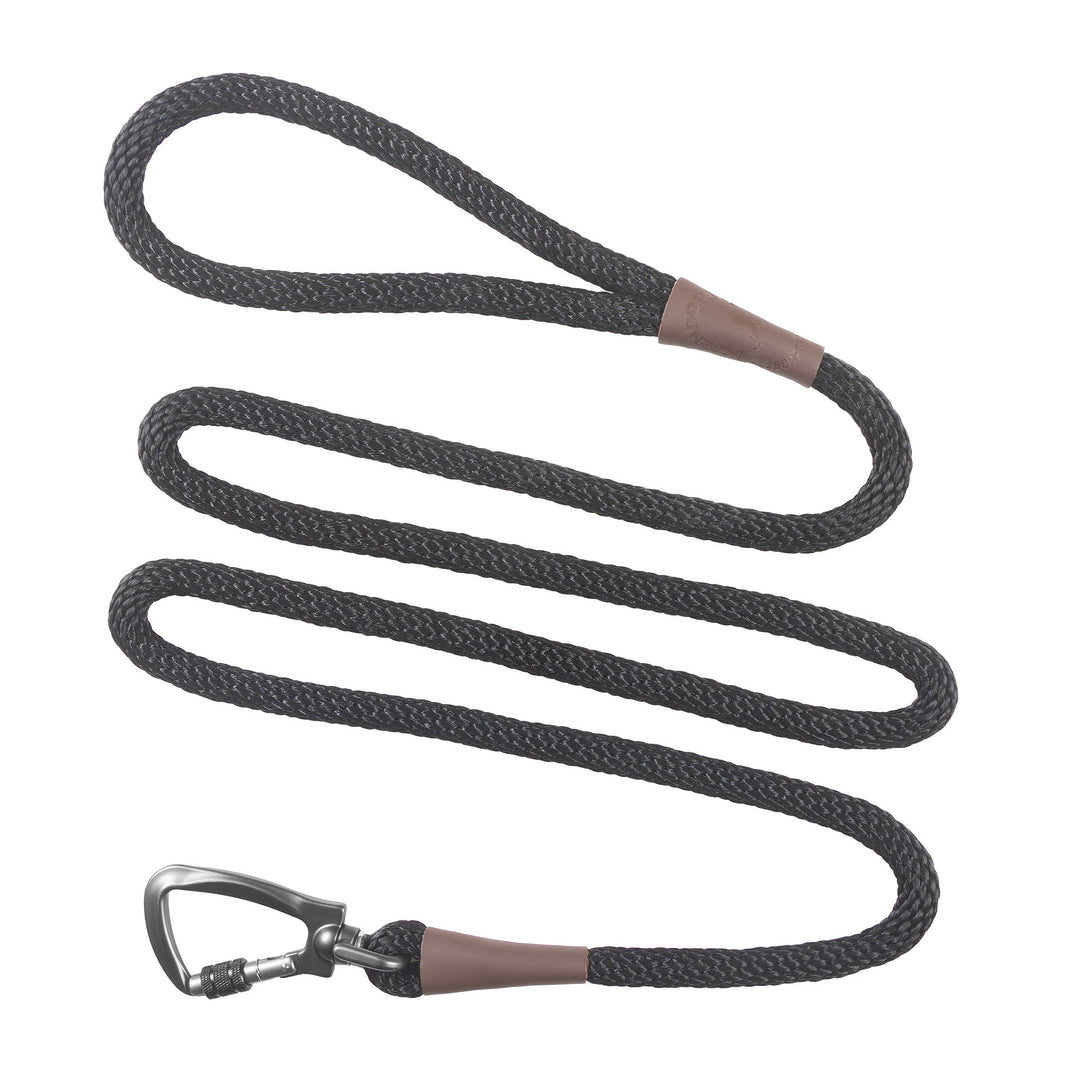
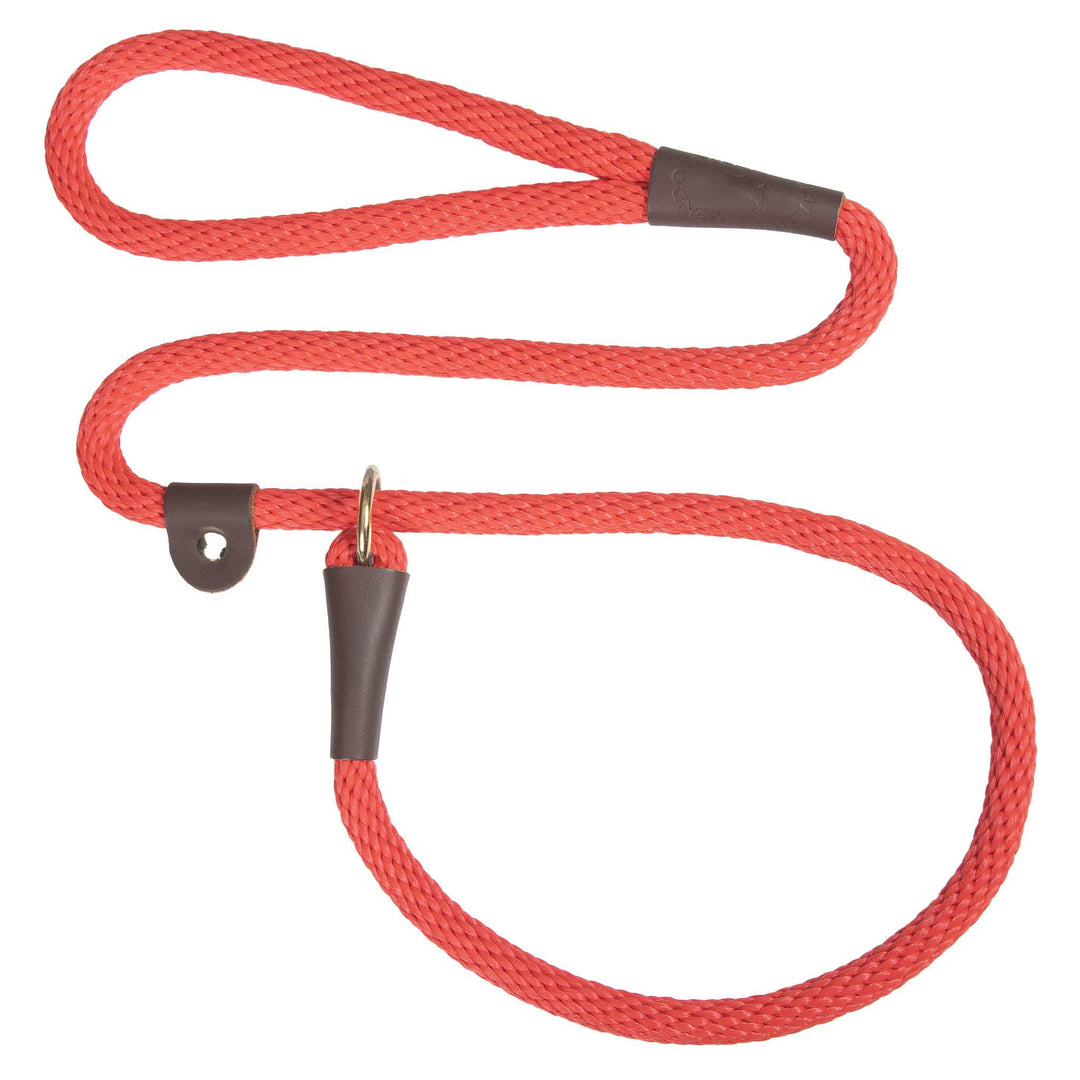
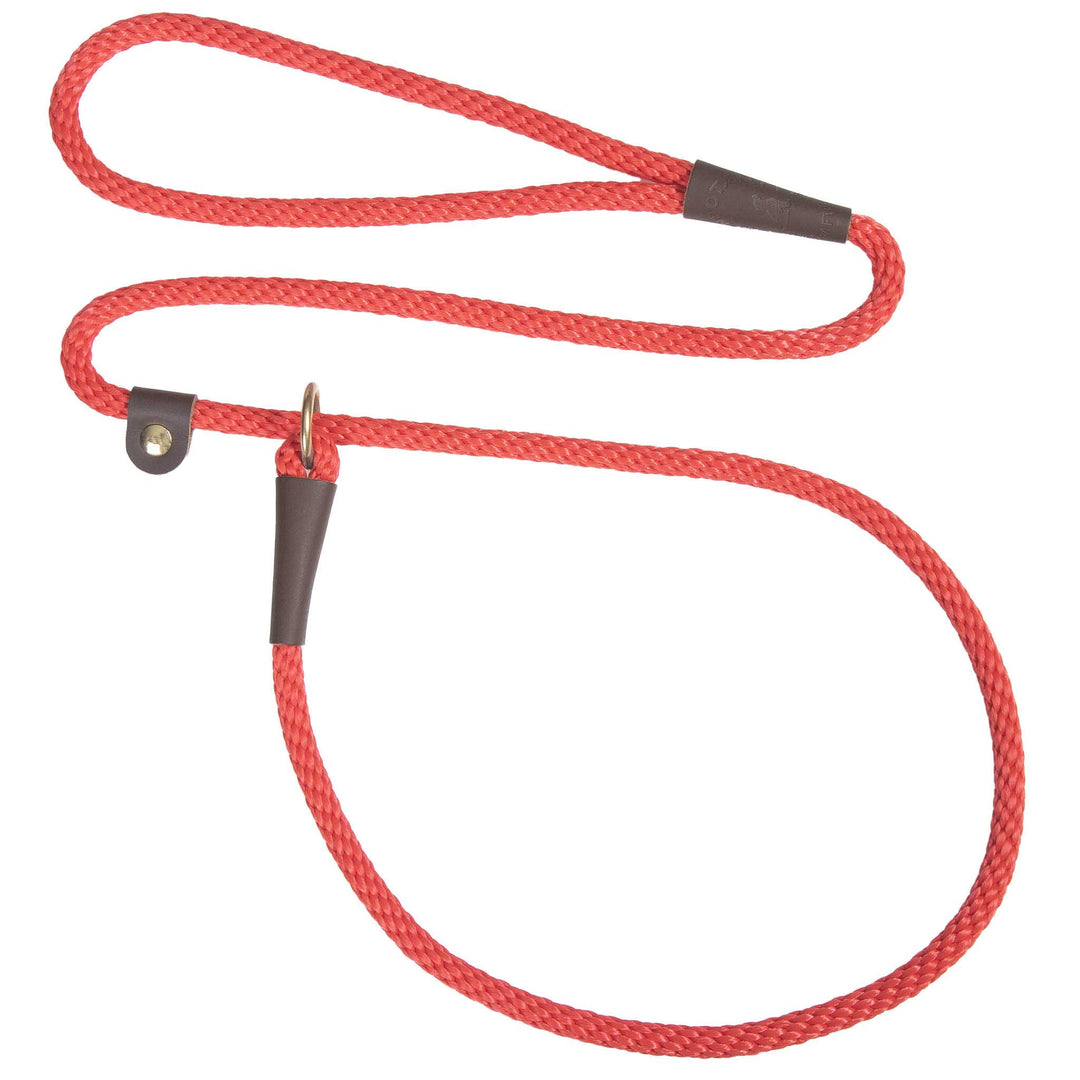
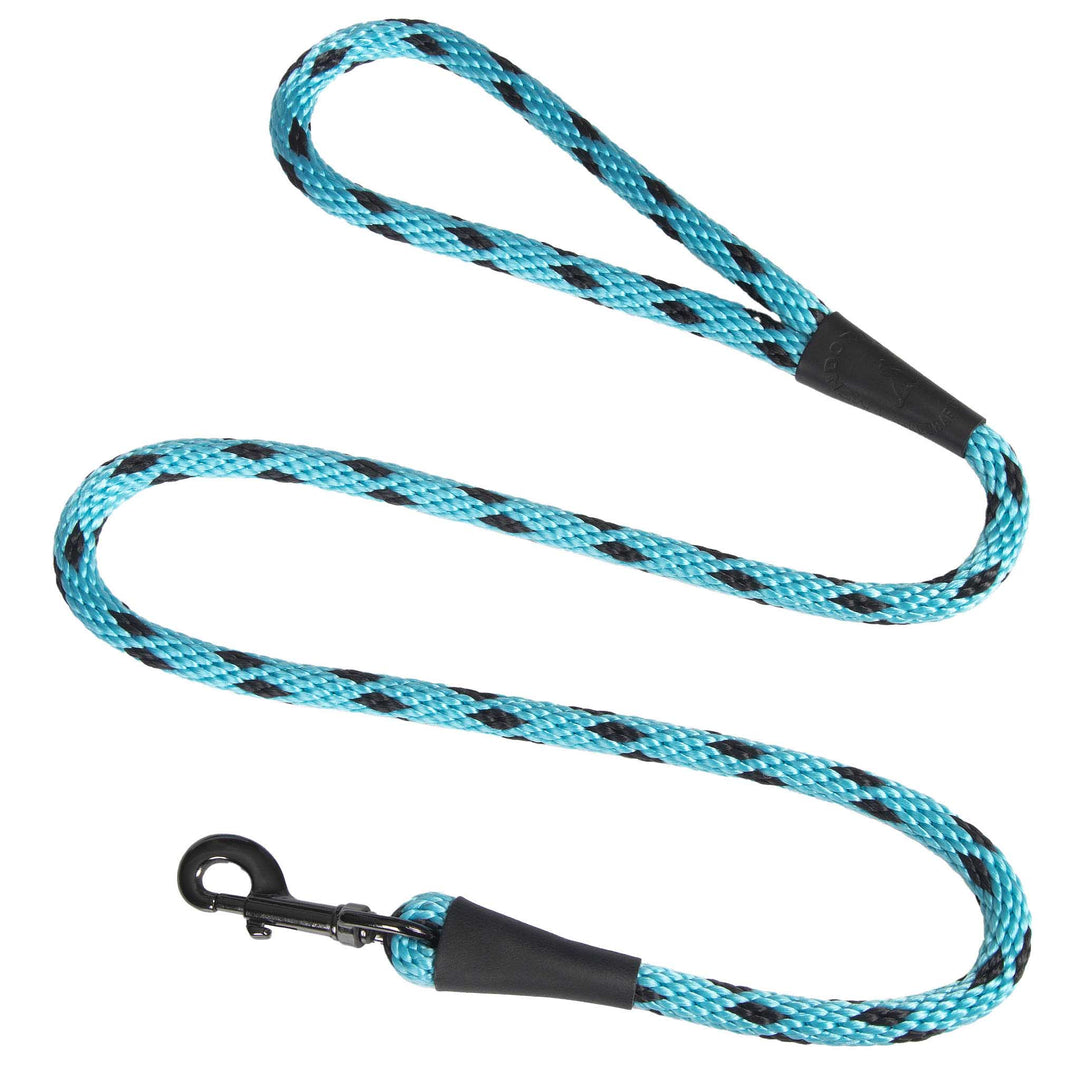
If you’re building better leash habits this season, keep your setup simple and consistent. Many handlers like having:
- A dependable everyday leash for routine walks
- A quick, simple option for fast resets and training moments
- A shorter control option for busy areas (parking lots, crowds, vet visits)
Final Takeaway
Your dog doesn’t need to be perfect for walks to feel better.
Start with a calm doorway routine, restart mid-walk when pulling begins, and use simple reset tools when distractions pop up. The more often you repeat the Calm Walking Reset, the more your dog learns that calm is the default — not the exception.