Winter Skin & Paw Warning Signs in Dogs You Shouldn’t Ignore 🐾
Winter skin issues in dogs rarely announce themselves all at once. More often, they show up quietly — a little extra paw licking, a rough patch here or there — and slowly build over the season. Understanding why winter stresses your dog’s skin is the first step in protecting it.
- Subtle changes in behavior often appear first, like increased paw licking, hesitation on cold surfaces, or shorter tolerance for walks.
- Reduced grooming and bathing routines during winter can allow dry skin and irritation to quietly accumulate.
- De-icing salts, ice melt, and winter chemicals cling to paws and fur, stripping natural oils and irritating sensitive areas.
- Cold outdoor air combined with dry indoor heat steadily pulls moisture from your dog’s skin, paws, and nose.
These seasonal factors don’t usually cause sudden problems — they create conditions where dryness and irritation can take hold over time.

How Winter Affects Skin & Paw Health
By winter, the skin isn’t just reacting to the environment — it’s working harder to maintain balance. These changes happen gradually at the surface and beneath it.
- Once moisture levels drop, the skin loses flexibility, making it more prone to rough texture, flaking, and micro-cracks.
- Areas with constant contact or friction — like paw pads, elbows, and joints — show wear faster when skin elasticity decreases.
- Seasonal shifts alter how oils move across the coat, leaving some areas under-protected even when the coat appears normal.
- Healthy skin relies on consistent moisture and oil balance, and winter disrupts that equilibrium long before visible damage appears.
This is why winter skin issues often feel “sudden,” even though the underlying changes have been building quietly for weeks.
Early vs. Advanced Winter Skin & Paw Warning Signs
Winter skin changes don’t all look the same — and knowing whether signs are early or more advanced can help you decide when gentle support is enough and when closer attention is needed.
| Area Affected | Early Warning Signs | What It May Mean |
|---|---|---|
| Paw Pads | Slight roughness, dull texture, light flaking | Early moisture loss from winter conditions or surfaces |
| Between Toes | Mild redness, occasional licking after walks | Irritation from snow, ice melt, or damp conditions |
| Nose | Dry or chalky appearance | Moisture loss as the skin barrier dries out |
| Elbows & Pressure Points | Light ashiness, thinning fur | Early barrier stress from pressure and dryness |
| Coat & Body Skin | Subtle dandruff, reduced shine | Seasonal dryness affecting oil distribution |
| Behavior | Brief paw lifting, increased licking | Early discomfort before visible cracking occurs |
Early signs are often easy to miss — but they’re also the easiest to support before irritation escalates.
Not every rough patch signals a serious problem, but understanding the difference between early warning signs and more advanced changes can help you respond thoughtfully and on time.

| Area Affected | Advanced Warning Signs | Why It Matters |
|---|---|---|
| Paw Pads | Deep cracks, splits, bleeding | Open skin increases risk of infection and pain when walking |
| Between Toes | Swelling, dark discoloration, odor | Possible bacterial or yeast involvement requiring attention |
| Nose | Painful fissures, peeling, scabbing | Cracks can bleed and interfere with normal hydration |
| Elbows & Pressure Points | Thickened skin, calluses, sores | Increased risk of wounds due to pressure and reduced flexibility |
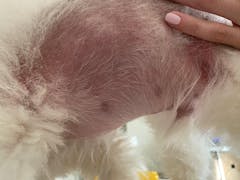
| Coat & Body Skin | Persistent flaking, redness, hair thinning | Skin barrier is no longer regulating moisture effectively |
| Behavior | Limping, reluctance to walk, constant licking | Discomfort may be affecting mobility and daily comfort |
Advanced signs don’t mean you’ve missed your chance — they simply signal that your dog’s skin needs more focused, consistent support.
👉 For winter skin care tips that include protecting paw pads and addressing dryness with DERMagic Cell Restoration Cream, check out our winter care guide. — link to the “Ways To Keep Dogs Warm This Winter ❄️” blog.
Why Catching Winter Skin Issues Early Matters
Winter skin changes rarely demand attention all at once. More often, they build gradually — a little dryness here, a small rough patch there — until discomfort becomes harder to ignore. That’s why early awareness matters.
Supporting your dog’s skin at the first signs of dryness helps maintain the integrity of the skin barrier, which plays a vital role in protecting against irritation, infection, and environmental stress. When moisture levels are restored early, the skin is better able to remain flexible, resilient, and comfortable throughout the season.
Addressing minor changes before they escalate also helps avoid more reactive care later. Small, consistent adjustments — like monitoring paw pads, checking elbows, and paying attention to subtle behavior shifts — can make a meaningful difference in your dog’s winter comfort.
Winter doesn’t have to mean cracked pads or persistent flaking. With simple observation and gentle care, your dog’s skin can stay comfortable and resilient all season long.
Next, let’s look at how to build a winter routine that supports your dog’s skin consistently through the season.